
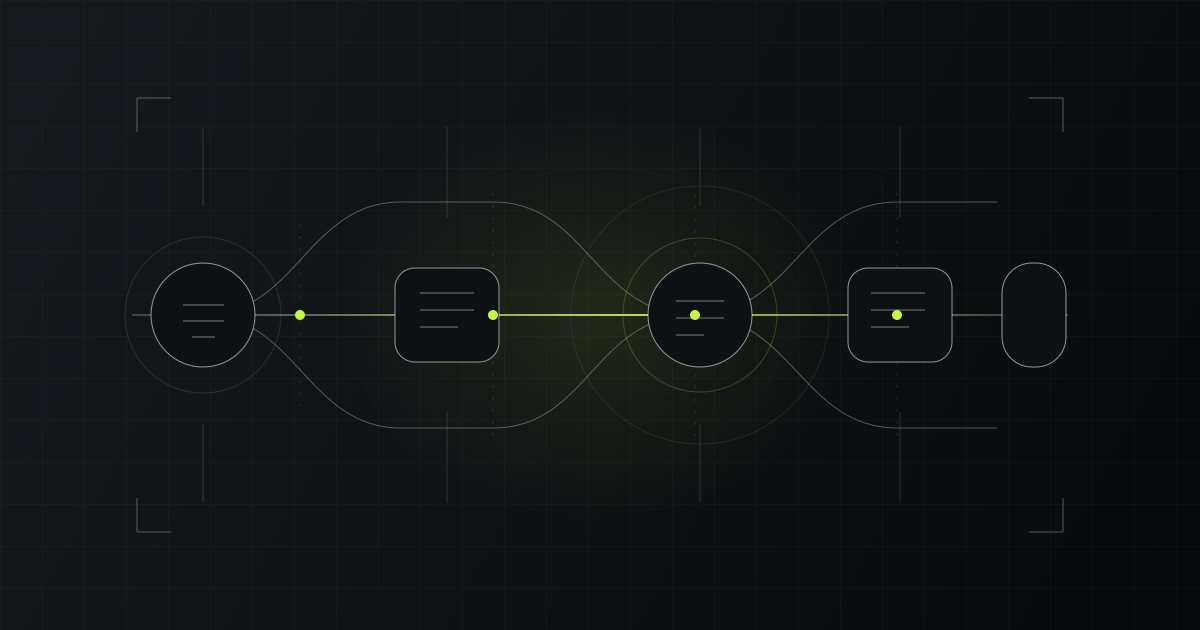
Map the transaction before the screens
A fintech product is easier to reason about when the team first draws the movement of money and information. Identify who initiates an action, which system records it, what confirms it, and what happens when an external service is delayed or unavailable.
A payment is not always a simple success or failure. It may be pending, declined, reversed, refunded, or awaiting confirmation. Make those states explicit before they become scattered across interface copy, support scripts, and backend conditions.
Treat integrations as product behavior
Banking and payment providers have their own response times, error formats, and recovery paths. A product needs clear rules for retries, duplicate requests, timeouts, and reconciliation. Idempotency and traceable event records help prevent an operational problem from becoming a duplicate transaction.
The integration boundary should also explain what the product can know. When a provider cannot confirm a result immediately, the interface and support team need an honest pending state instead of an invented certainty.
Build for review and recovery
Teams need enough operational context to understand what happened without exposing more information than necessary. Keep event history, permissions, and exception handling connected to the actual workflow. Decide who can review an issue and how a correction is recorded.
Test the paths where things break: delayed callbacks, unavailable providers, duplicate notifications, and a user retrying after a timeout. These cases are part of a usable fintech product, not rare engineering details.
Scope the first release around the riskiest unknown
A focused first release can limit payment methods, account types, or integrations while still proving the end-to-end flow. Choose the smallest scope that can test the business assumption and the operational model together.
Our experience across fintech and payment systems has taught us to connect product decisions to integration behavior early. That keeps the build focused and gives teams a clearer basis for their next decision.